AI-generated, human-reviewed.
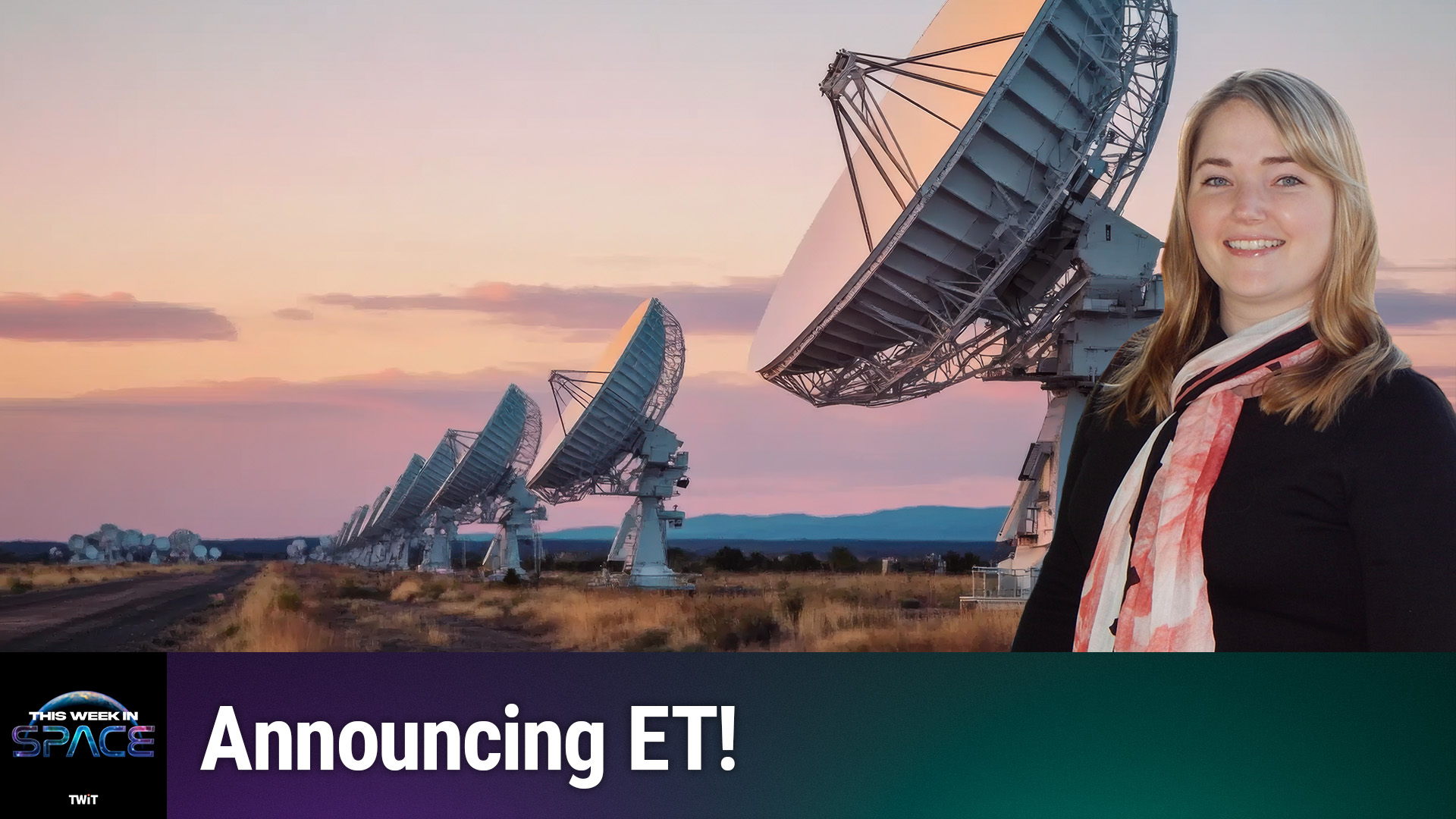
If extraterrestrial life is confirmed–be it microbial or intelligent– the way we communicate this news could shape humanity's response for generations. According to Dr. Brianne Suldovsky—Associate Professor at the University of Portland and guest on This Week in Space—timely, transparent, and strategic messaging is vital to avoid confusion, mistrust, and the spread of misinformation.
Why Communicating Alien Life Discovery Is Complex
Communicating a discovery of alien life isn't just a scientific issue—it's a social, ethical, and global challenge. On This Week in Space, Dr. Suldovsky explained that most research and planning focuses on scientific validation, but there's far less attention paid to how the announcement would reach and affect the general public. This gap is significant because the topic of extraterrestrial life is heavily loaded with cultural beliefs, religious viewpoints, conspiracy theories, and past confusion over ambiguous scientific results.
Key challenges include:
- Most people will interpret scientific nuance in headlines ("consistent with life" vs. "evidence of life") as direct claims that life has been found.
- Distrust in institutions like NASA and the government is widespread, making clear communication—and pre-established trust—essential.
- Religious and philosophical worldviews may directly conflict with the implications of discovering non-Earth life, requiring sensitive and inclusive messaging.
What Does the Public Already Believe About Alien Life?
Dr. Suldovsky's research reveals that a significant part of the American population already believes that intelligent, advanced extraterrestrial life exists, and a surprisingly high number believe it has visited Earth. According to the discussion on This Week in Space:
- Around 65% of Americans think there is extraterrestrial life in some form.
- Nearly half (45%) believe intelligent ET life has already visited our planet.
- Only about one in five Americans say they are confident that extraterrestrial life has not visited Earth.
This means the public's baseline is already shaped by pop culture, conspiracy theories, and mixed messages, making the risk of misinformation even higher when genuine discoveries happen.
Building Trust and Clarity Into Scientific Announcements
Dr. Suldovsky emphasized that establishing institutional trust before any announcement is crucial. Without a reputation for transparency and reliability, organizations will struggle to control the narrative amid social media noise and misinformation.
According to the episode, best practices for such high-stakes science communication include:
- Clear, direct language: Avoid jargon like "consistent with life"; explicitly state what has and hasn't been found.
- Communicate uncertainties: Acknowledge what is unknown or under review and what steps will be taken to verify findings.
- Proactive public engagement: Build ongoing connections with audiences so there's an established, trusted source of truth before an announcement is needed.
The Role of Private Companies and the New Communication Risks
Space exploration is increasingly privatized. The podcast raised a vital question: What happens if a private company, not a government agency, discovers alien life? Dr. Soldowski pointed out that this could change the landscape dramatically. The public already questions corporate motives, and proprietary interests might conflict with open scientific reporting.
There may need to be new protocols and agreements to ensure global, ethical disclosure of discovery—preventing any single actor from controlling or suppressing landmark scientific information.
Why Preparation Needs to Start Now
On This Week in Space, the hosts and Dr. Suldovsky agreed: The time to plan for effective communication is now, not after a discovery. Technical advancements mean possible confirmation of alien life might come sooner than many think, and trust can't be built overnight.
Advanced preparation involves:
- Evidence-based risk communication strategy
- Cross-disciplinary input (science, ethics, religion, public policy)
- Public dialogue and education in advance, not just after the fact
Key Takeaways
- Discovery of any form of extraterrestrial life will require clear, strategic communication to avoid confusion and panic.
- Americans already hold strong beliefs about aliens, making the task harder for scientists.
- Trust in institutions is low—proactive engagement and transparency are urgent priorities.
- Potential discoveries by private companies pose new challenges; protocols may be needed for global ethical disclosure.
- Risk communication best practices emphasize honesty about uncertainties and what's known.
- Public input and dialogue are important for strategy—this is more than a science issue.
The Bottom Line
The world may not yet be ready—technically or culturally—for news of alien life, and the window for preparation is closing. As discussed on This Week in Space, scientists, communicators, and institutions must collaborate now to pave the way for responsible, trusted disclosure. How we frame the discovery will shape its impact on humanity.
Want more expert insight on the frontier of science and technology? Subscribe to This Week in Space for in-depth discussions every week:
https://twit.tv/shows/this-week-in-space/episodes/206