AI-generated, human-reviewed.
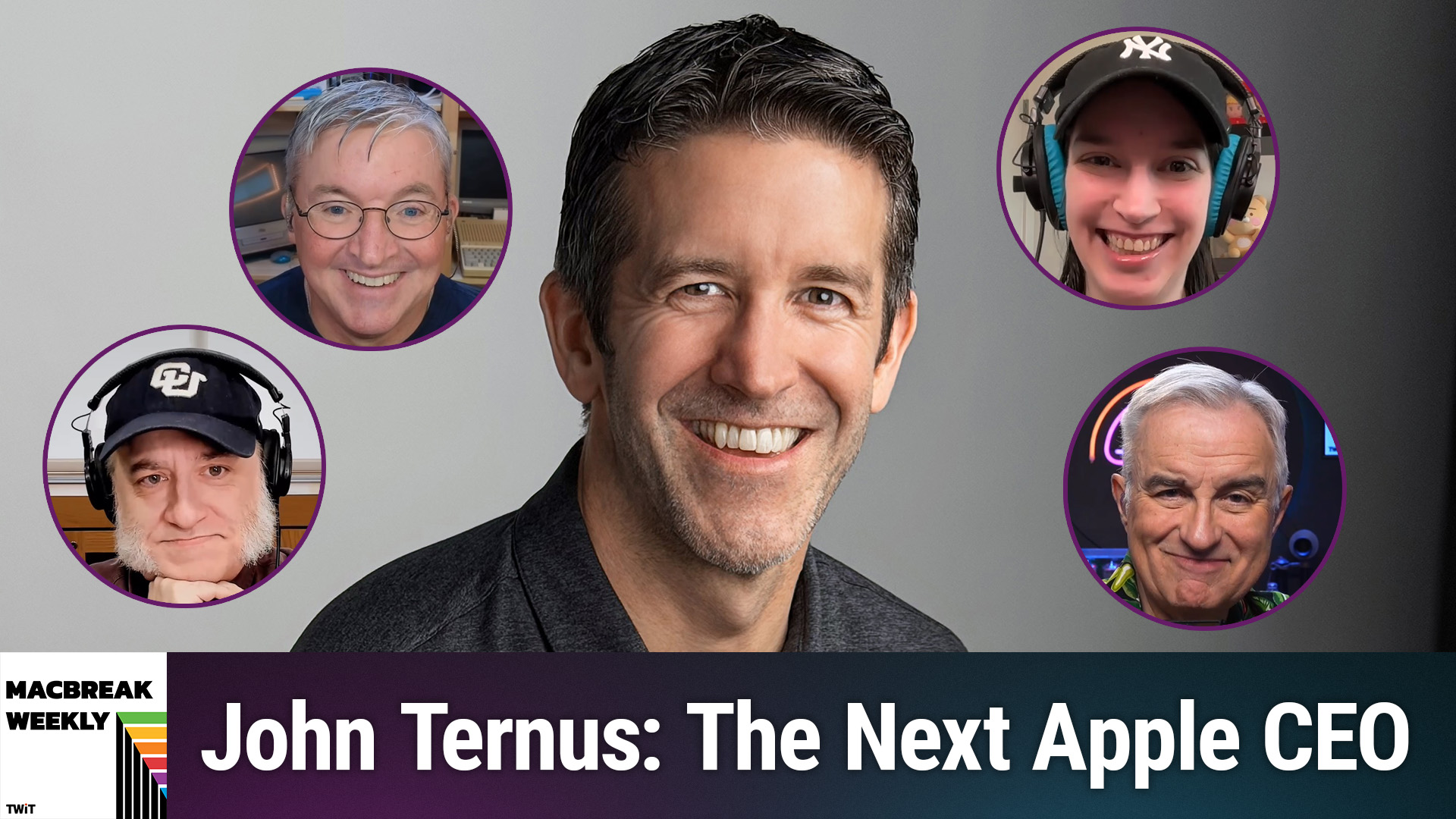
Apple's recent announcement of John Ternus replacing Tim Cook as CEO marks the most significant leadership change for the company in 15 years. On MacBreak Weekly, the panel explored what Ternus' appointment means for Apple's future, delving into the implications for hardware innovation, AI strategy, company culture, and more.
For longtime Apple watchers—and customers invested in the company's ecosystem—understanding this leadership change provides insight into where the world's most valuable tech company is headed next.
Why Did Tim Cook Step Down as Apple CEO?
Discussing the transition, the MacBreak Weekly team outlined that Tim Cook will officially step down on September 1, 2026. After a highly successful 15-year run as CEO that saw Apple's valuation skyrocket and products like the iPhone and Apple Silicon flourish, Cook moves into the role of Executive Chairman. This position will keep him involved in high-level strategy, especially government relations—a crucial factor given Apple's global influence and regulatory environment.
The panel suggested that this transition follows a carefully planned internal process, designed to minimize market disruption. Cook's legacy is defined by operational excellence, supply chain mastery, and steady stewardship after the visionary Steve Jobs era. While Cook is not seen as an innovator in the Jobs sense, the hosts credited him for Apple's unprecedented stability, scale, and financial success.
Who Is John Ternus? Background and Leadership Style
John Ternus emerges as an experienced "product guy" deeply embedded in Apple's hardware engineering culture. According to MacBreak Weekly, Ternus, at age 50, has spent virtually his entire career at Apple, joining in 2001 and eventually becoming Senior Vice President of Hardware Engineering. He was instrumental in major projects like AirPods, the iPad, and Apple Silicon—the move to Apple's own chips that revitalized the Mac lineup.
The hosts pointed out that Ternus is respected for his decisiveness and product sense. Unlike Tim Cook's "consensus-builder" approach, Ternus is known as being direct in decision-making. His rise signals Apple's continued emphasis on hardware excellence, with the expectation that he will maintain the company's focus on design quality and integration between hardware and software.
Notably, the Executive reshuffle also elevated Johny Srouji, responsible for Apple Silicon, to the new role of Chief Hardware Officer. This move appears aimed at ensuring the core technical leadership remains intact and satisfied.
What Does Ternus' Appointment Mean for Apple's Future?
The primary impact of John Ternus' appointment is likely to be felt in several areas:
- Hardware Innovation: As a career hardware engineer, Ternus is expected to continue the evolution of category-defining devices. His background suggests a steady stream of hardware advances rather than dramatic, Jobs-era product unveilings.
- AI and Software Development: The panel expressed some concern that Apple's recent software stumbles—like lagging behind in AI—may not be fully addressed if hardware remains dominant inside the company. However, with WWDC approaching, there are high expectations around an AI-powered Siri and broader AI advancements.
- Vision Pro and New Categories: Ternus' early VR experience points to ongoing investment in categories like spatial computing and mixed reality. While the future of products like the Vision Pro isn't certain, Ternus' familiarity with emerging technologies could keep Apple at the frontier.
- Company Culture and Succession Planning: Unlike the epochal Jobs-to-Cook transition, this handoff is expected to be evolutionary. Ternus is described by insiders as grounded, humble, and collaborative—traits well-matched to Apple's current operational-centric identity.
Key Takeaways
- Tim Cook steps down as CEO on September 1, 2026, becoming Executive Chairman.
- John Ternus, a 25-year Apple veteran and hardware chief, is named the new CEO.
- Ternus' leadership is described as decisive, product-driven, and reflective of Apple's hardware DNA.
- Johny Srouji promoted to Chief Hardware Officer, consolidating key technical teams.
- Tim Cook will continue to oversee government relations, a critical area for Apple's global operations.
- Questions remain about how much focus will be given to software and AI innovation under new leadership.
- Vision Pro and spatial computing retain support, but future directions remain open.
- Apple software leaders like Craig Federighi could see changing roles or expectations.
The Bottom Line
On this episode of MacBreak Weekly, the hosts emphasized that Apple's CEO transition signals continuity more than disruption. Customers and developers should expect Apple's hallmark commitment to hardware craftsmanship and operational rigor to continue under John Ternus. However, the real test will be whether the new leadership can accelerate innovation in software and artificial intelligence, areas where Apple faces increasing pressure from competitors. As always, Apple's next act will be scrutinized for its ability to surprise, delight, and hold its dominant place in the tech landscape.
Subscribe to MacBreak Weekly for ongoing expert analysis and Apple news:
https://twit.tv/shows/macbreak-weekly/episodes/1021