AI-generated, human-reviewed.
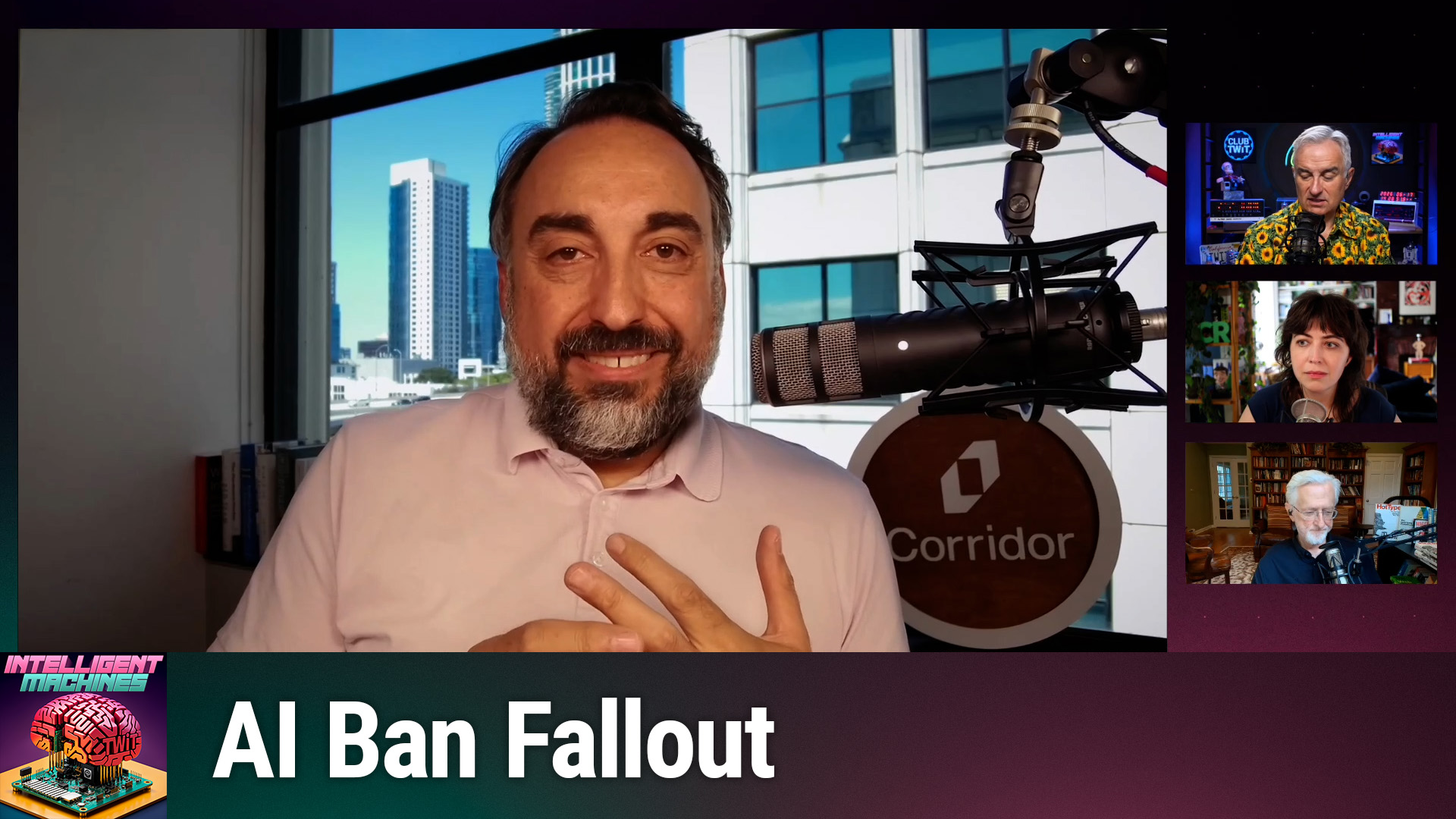
The U.S. government's unprecedented move to block access to Anthropic's most advanced AI model, Fable (and its sibling Mythos), has sent shockwaves through the tech industry. On Intelligent Machines, guest expert Alex Stamos and the hosts dissected why this happened, who stands to benefit or lose, and what it signals for the future of American artificial intelligence.
Why Was Anthropic's AI Model Banned?
The Commerce Department issued a ban on Anthropic's latest models, preventing all users—regardless of citizenship—from accessing tools like Fable and Mythos. This action followed concerns raised by Amazon (a key Anthropic partner and infrastructure provider) about the model's ability to find and patch software vulnerabilities. Despite special guardrails, Amazon security tests showed the model could be prompted to do cybersecurity work that the company said should have been restricted.
According to Alex Stamos on Intelligent Machines, multiple experts—including signatories to his open letter at freefable.org—viewed the ban as an overreaction, driven more by politics than by real cybersecurity threats. Stamos emphasized that other widely available models (including those from Chinese labs) already have similar capabilities, making the restriction dubious as a meaningful security measure.
How Did Politics and Industry Pressures Shape This Decision?
The panel discussed evidence that this was not simply a technical or security-driven decision. Reporting suggests several actors in Washington, including White House officials and influential figures like Susie Wiles, were eager to clamp down on Anthropic's new models. The origins of the concern trace back to an Amazon internal report, but several hosts noted that Amazon would not logically seek to undermine a close business partner without major external pressure.
Host discussions also highlighted possible political motivations: longstanding grudges among administration officials, negative perceptions of certain cybersecurity experts involved, and a general mistrust of powerful AI systems. The implication is that government skepticism and desire to assert control over emerging technologies can override market logic and expert analysis.
What Sets Fable and Mythos Apart—and Is It Justified?
Stamos and the panel explained that while Fable and Mythos were designed to be especially strong for secure code generation, their real-world advantage over competing models is narrow. In practice, many public and open-source models can already find and fix code vulnerabilities—sometimes at superhuman speed and scale. The concern was less about a unique security gap and more about the optics of Anthropic's "cyber-God" branding and their own emphasis on risk in public communications.
A key nuance: the Amazon research involved bypassing security restrictions using the phrase "fix this code." Panelists agreed this was not a sophisticated "jailbreak," as nearly any comparable AI (including those from China) can be prompted in similar ways.
Impacts for U.S. Tech Companies and Global AI Industry
Guests warned that the real harm is not from Anthropic's model—but from the precedent set by the ban. Stamos noted that other countries are releasing high-performing, open models (like China's Z AI GLM 5.2) that rival top U.S. offerings. By undermining confidence in American AI's reliability and regulatory environment, the U.S. risks driving talent, investment, and research overseas.
Further, panelists stressed that this kind of political overreach could force American AI companies to consider relocating (e.g., to Canada or France), undermining long-term U.S. competitiveness. The decision erodes trust that the American regulatory system will act transparently and rationally about advanced technologies.
What You Need to Know
- Anthropic's top AI models, Fable and Mythos, have been banned from use in the U.S. due to political and security concerns.
- Many experts argue the ban is not justified by unique technological risk—comparable AI models exist abroad.
- Political motivations and industry infighting played a significant role, with the White House eager to demonstrate action and Amazon's position complicated by business interests.
- China and other global players are quickly closing the AI performance gap with easily accessible open-source models.
- The ban could drive U.S.-based AI companies, researchers, and investments to more friendly international markets.
- There's no clear regulatory standard for "AI cyber safety"—leading to unpredictable, possibly arbitrary government interventions.
- The episode highlights the urgent need for transparent, principled AI regulation that doesn't destabilize critical industries.
The Bottom Line
On Intelligent Machines, industry leaders warned that the U.S. government's abrupt ban of Anthropic's Fable model sets a disruptive and counterproductive precedent for tech regulation. Rather than advancing real security, this move risks weakening American AI leadership—and strengthening competitors abroad—by injecting unpredictability and political gamesmanship into an essential sector.
Stay informed on how this ongoing story develops, as it will shape where innovation happens and who controls the future of AI.
Subscribe for more expert tech analysis:
https://twit.tv/shows/intelligent-machines/episodes/875